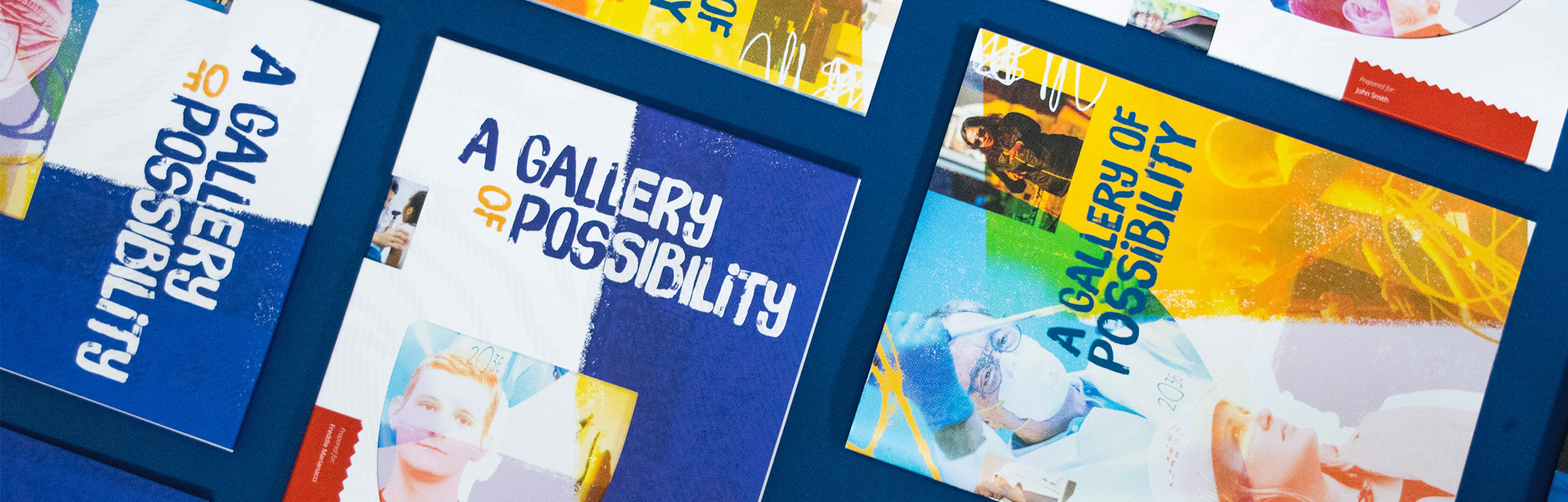
Created for 1,100 of Emory’s biggest supporters, with added personalization for $1M+ donors, this 40-page book housed in a die-cut slipcase served as a stewardship gift following the close of Emory’s 2O36 campaign.
The goal was to deliver something personal and enduring while demonstrating the breadth of impact campaign funds are already driving — on campus, across Georgia, and around the world. This piece was purely stewardship-focused, with no ask attached.

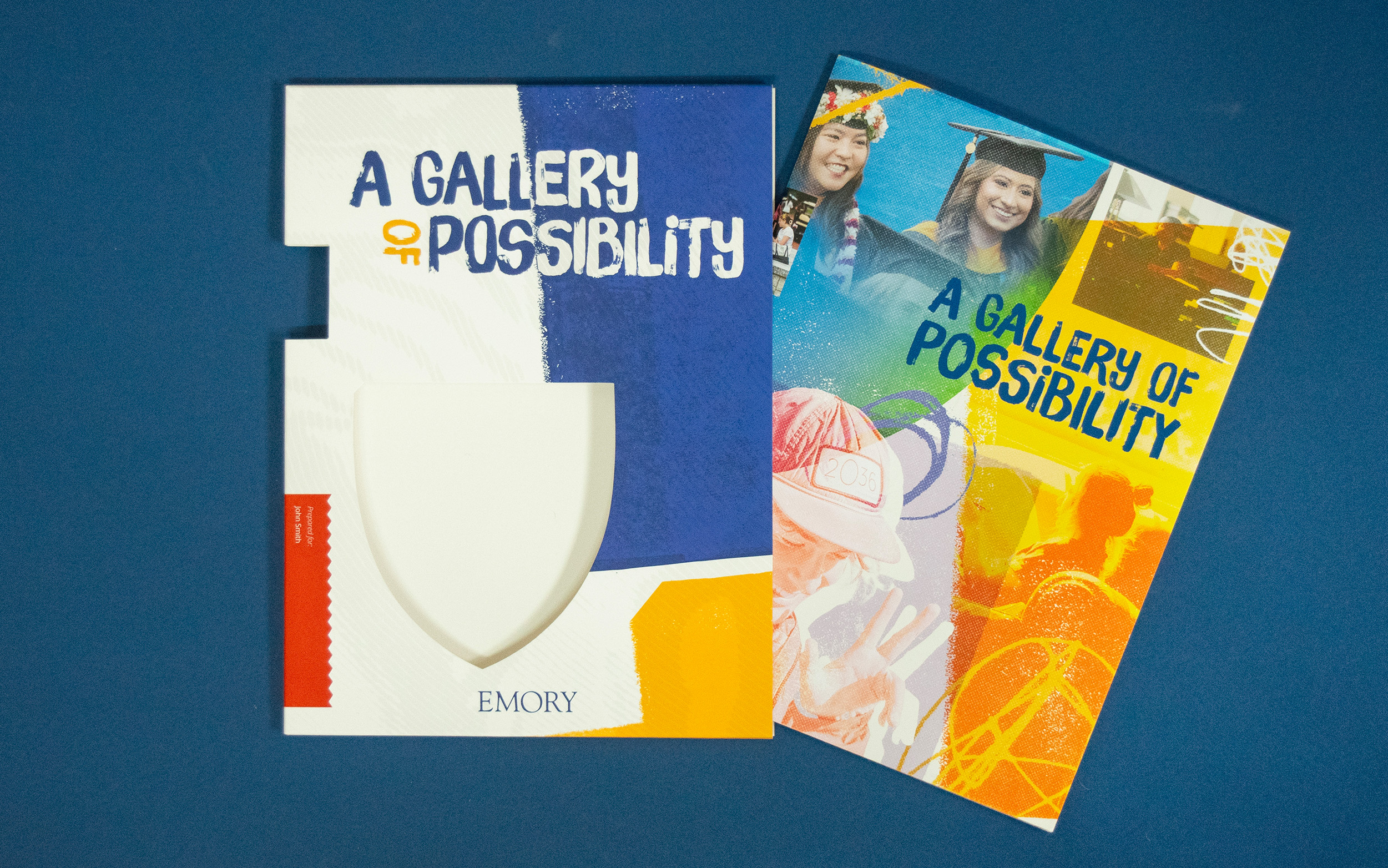

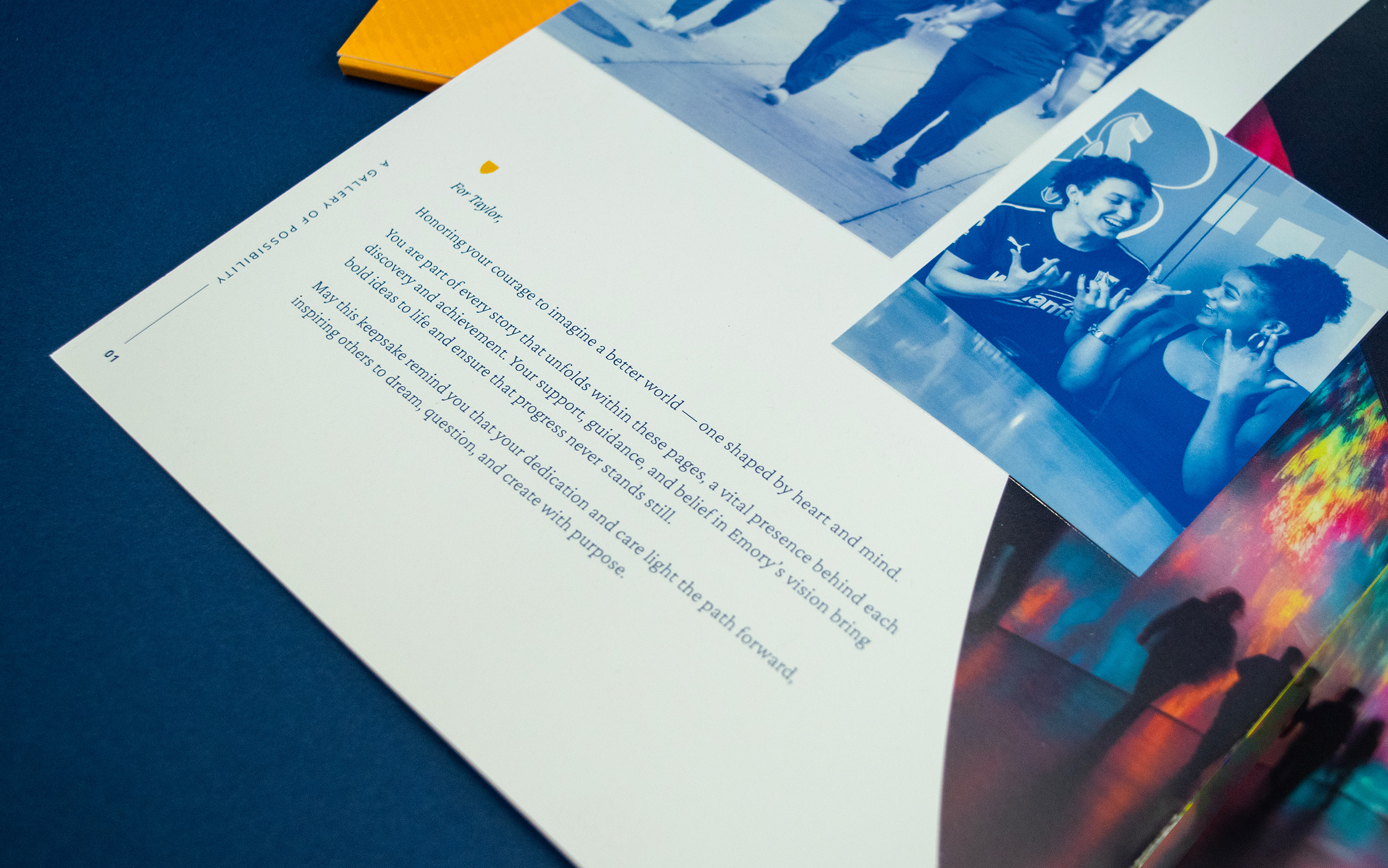
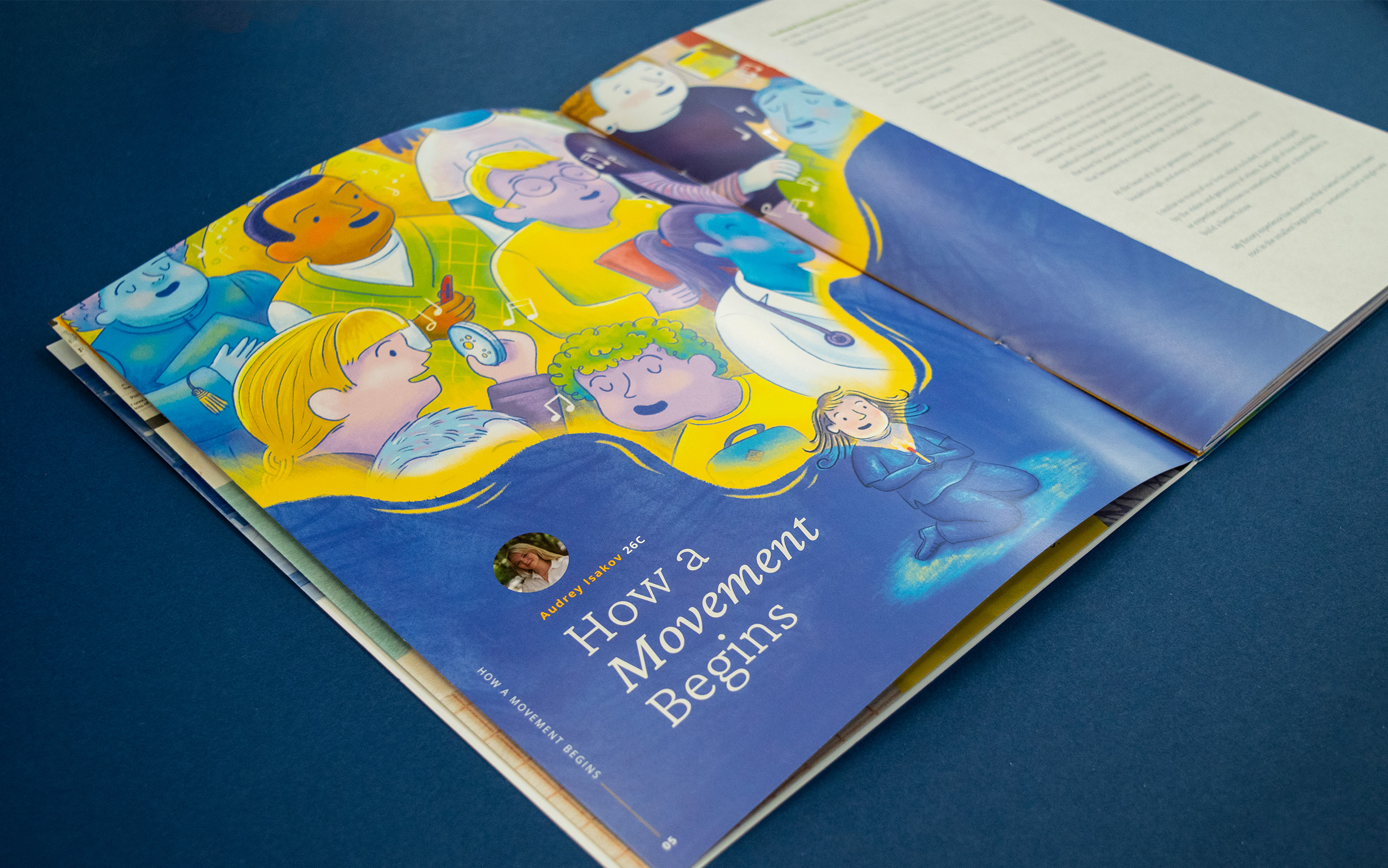
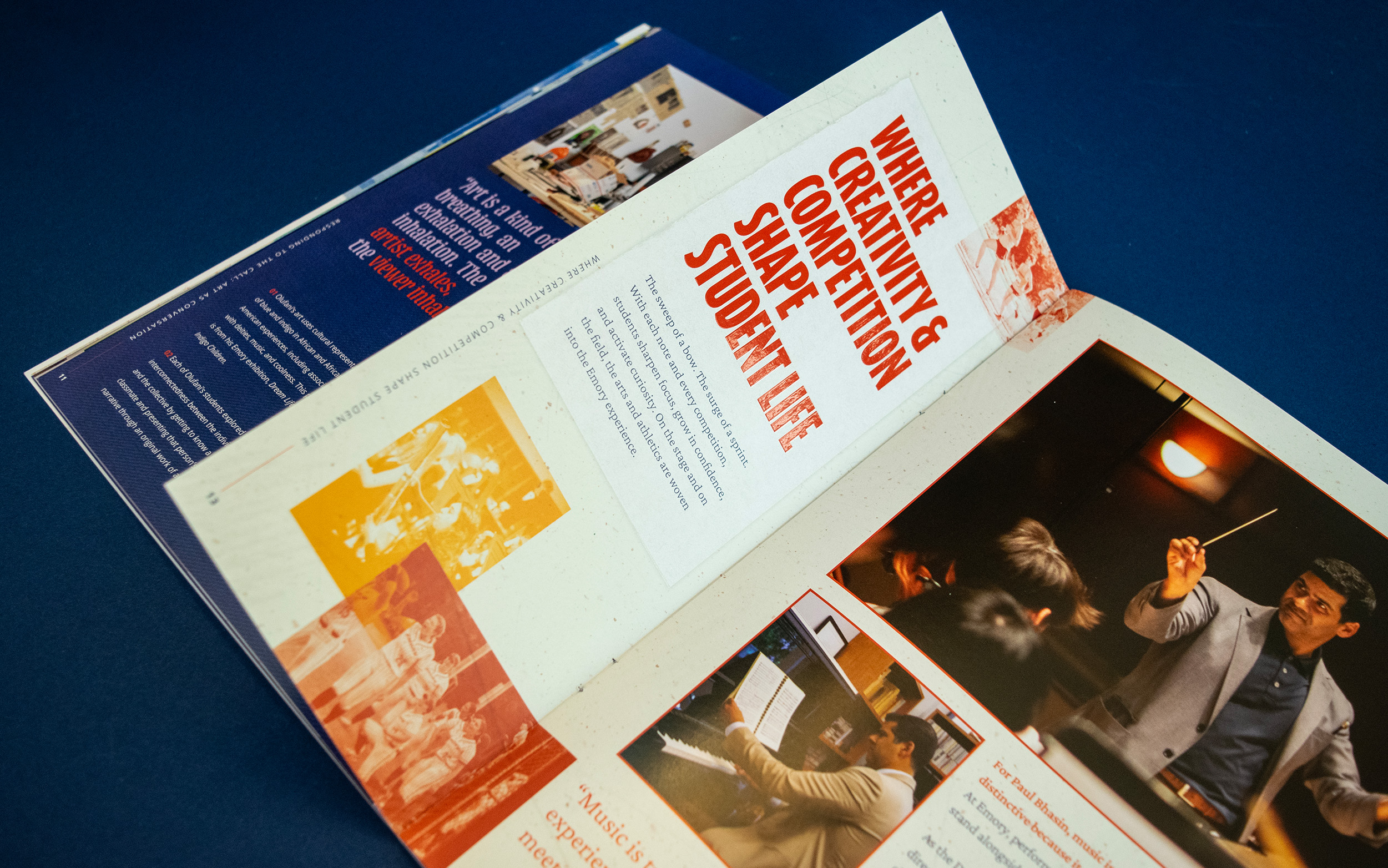
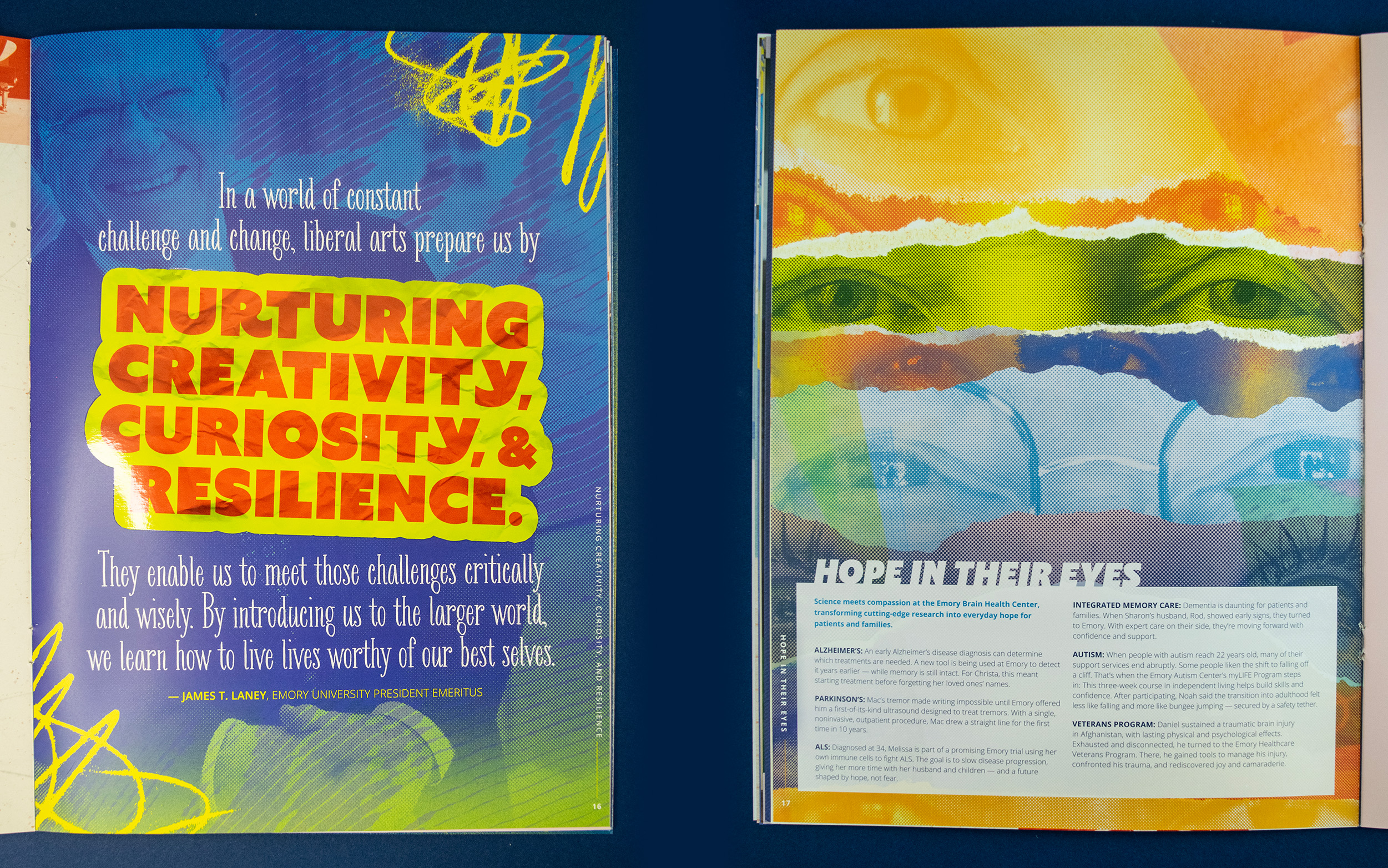
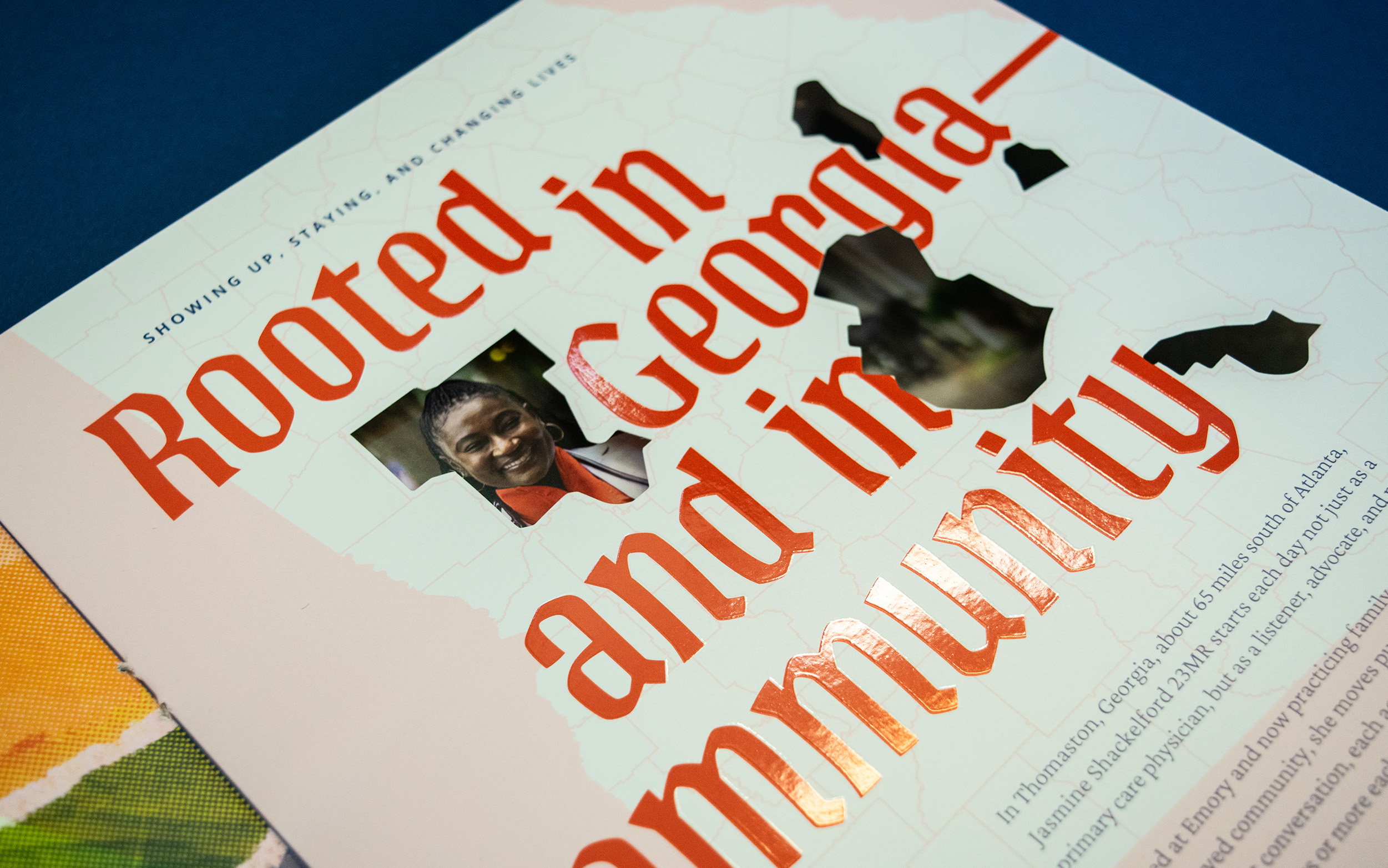
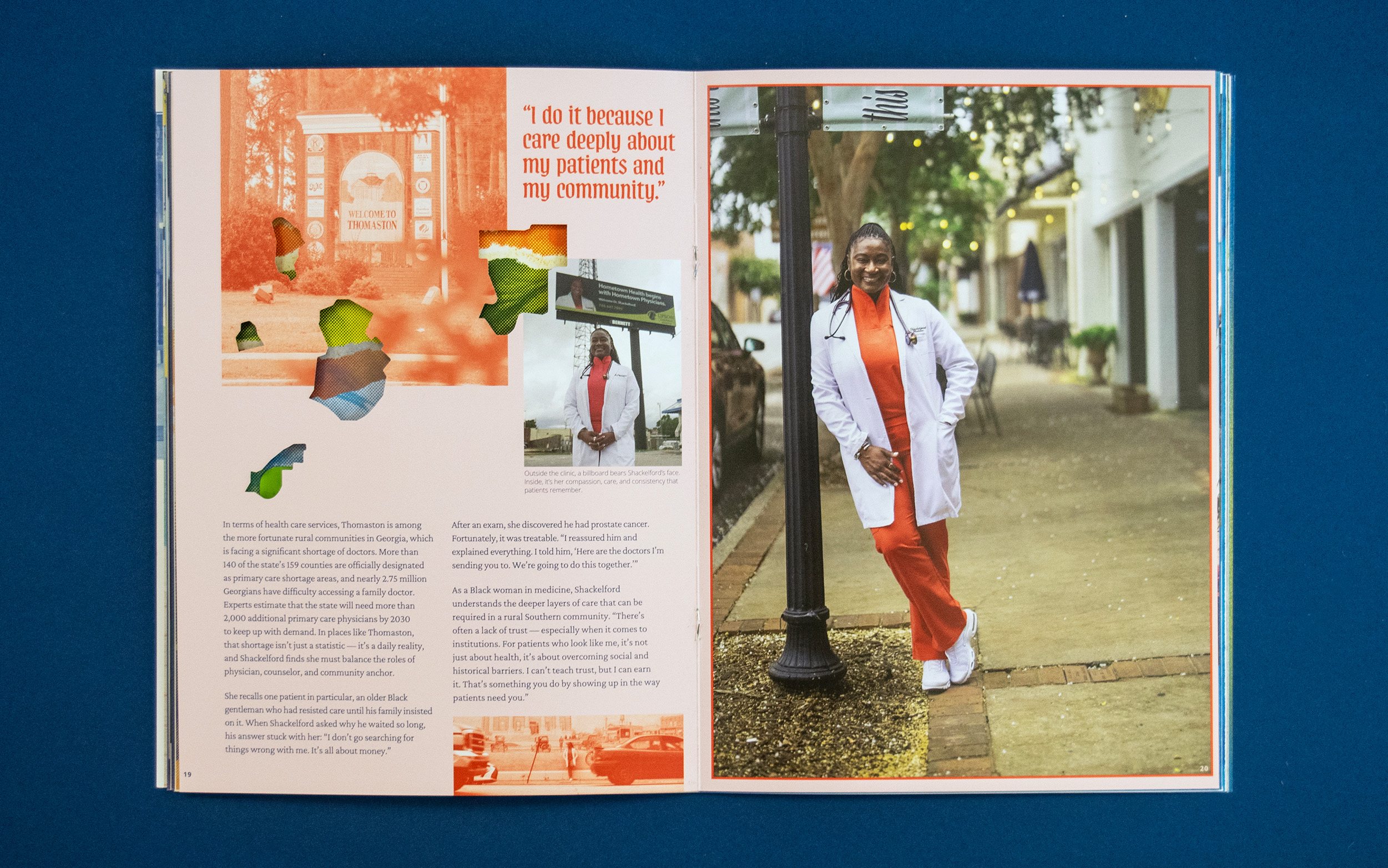
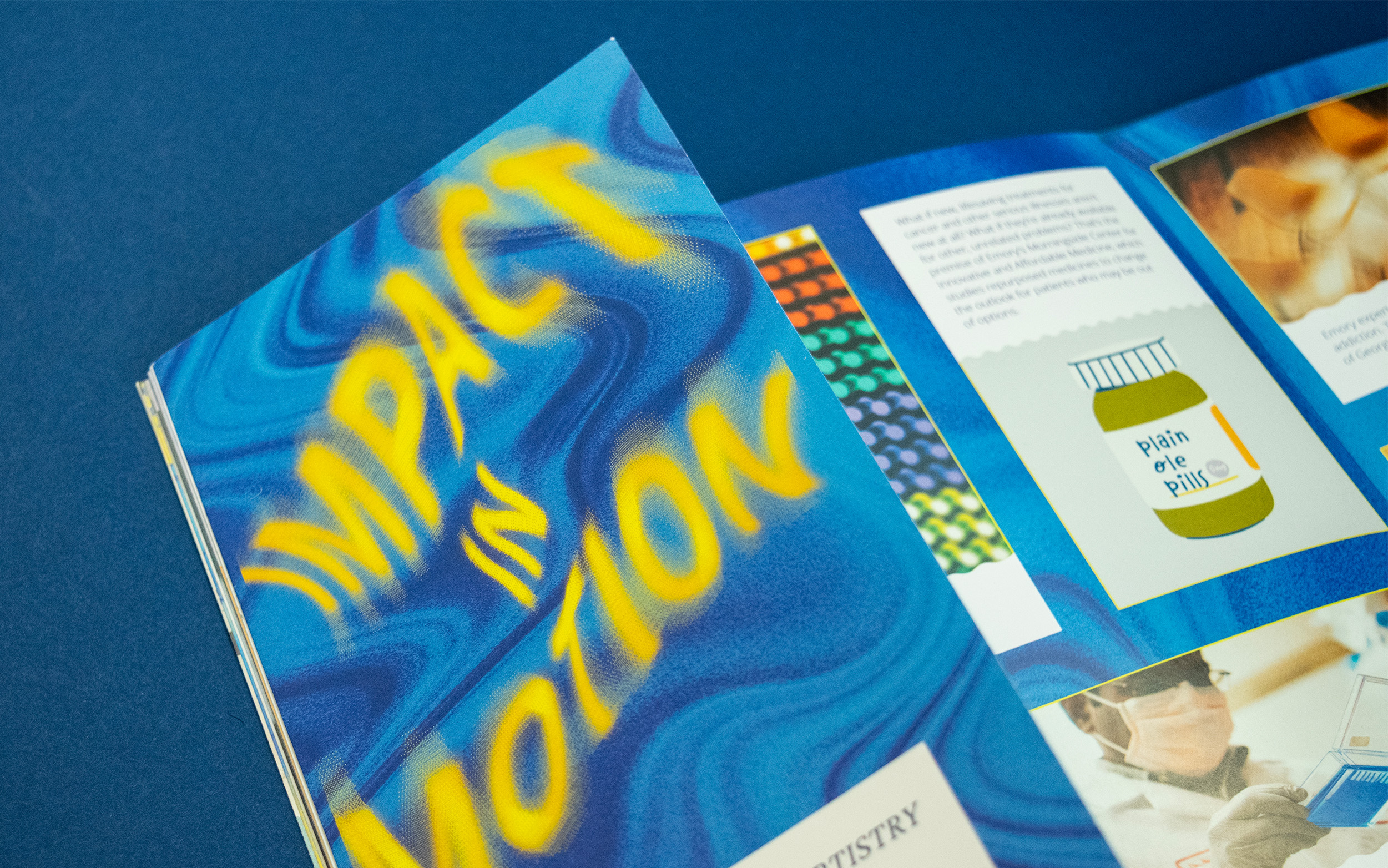
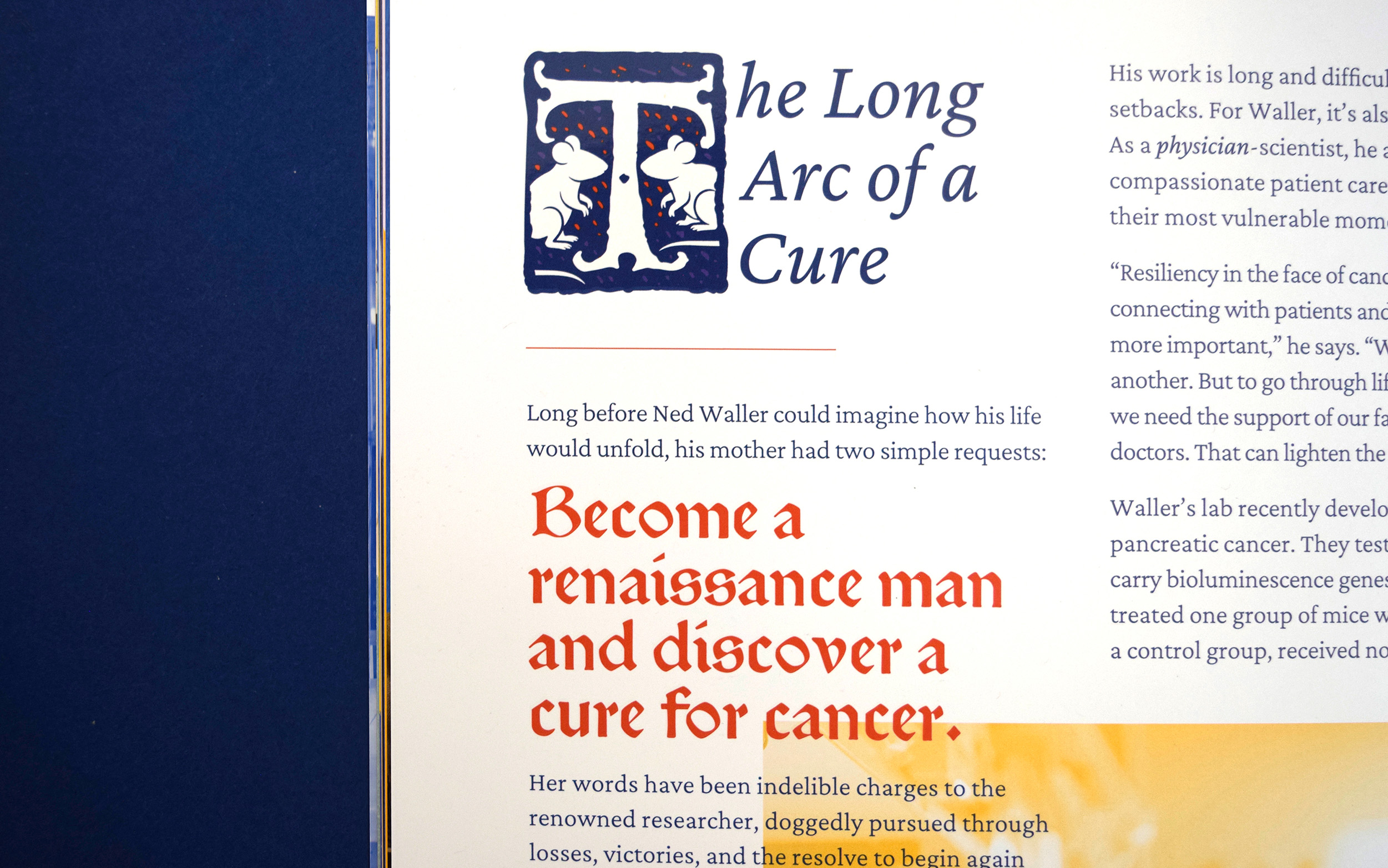
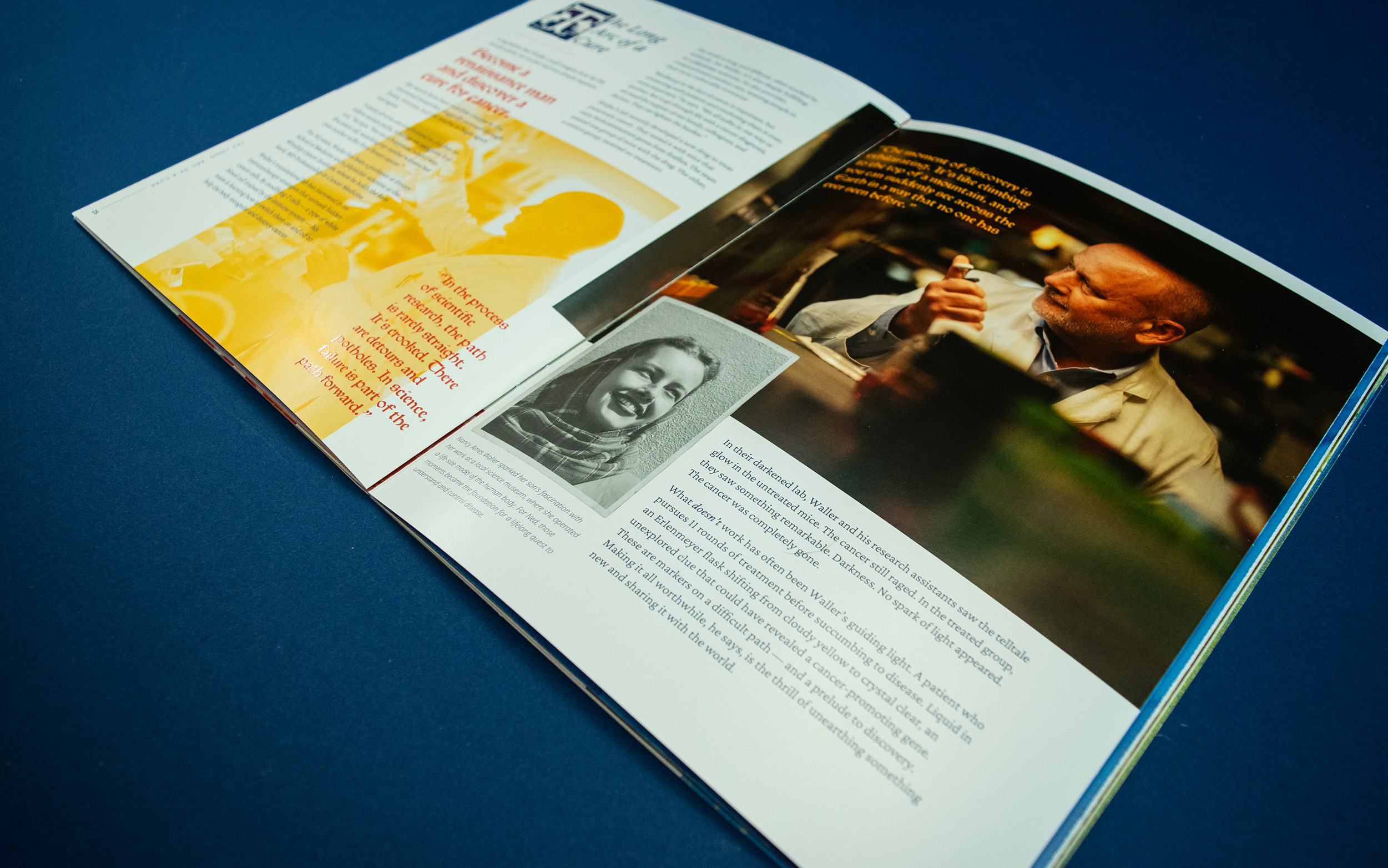
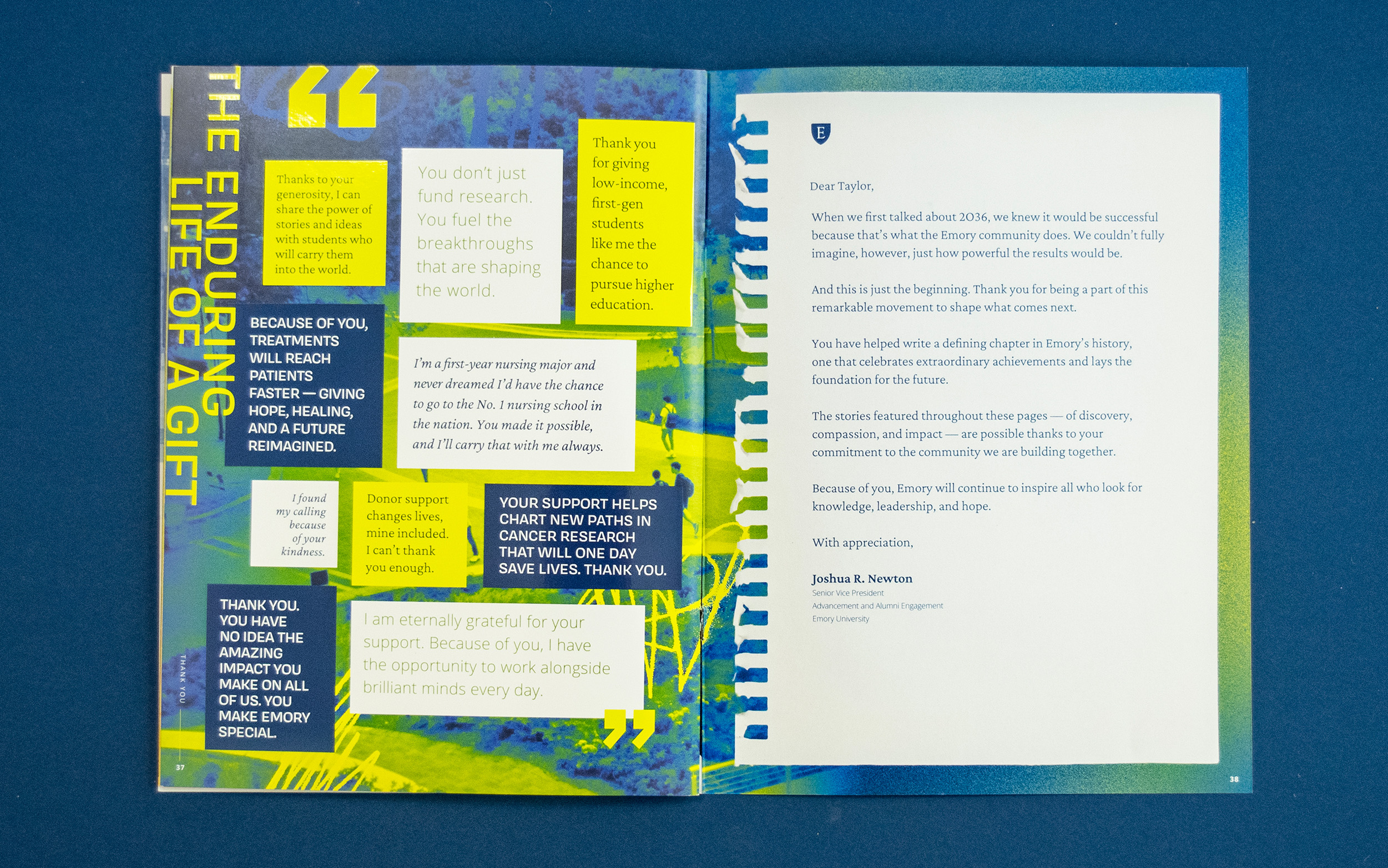
The piece paints a picture of the campaign through the people already impacted by its funds, with stories mapped to donor-funded priorities and representing Emory’s full range of schools, units, and healthcare.
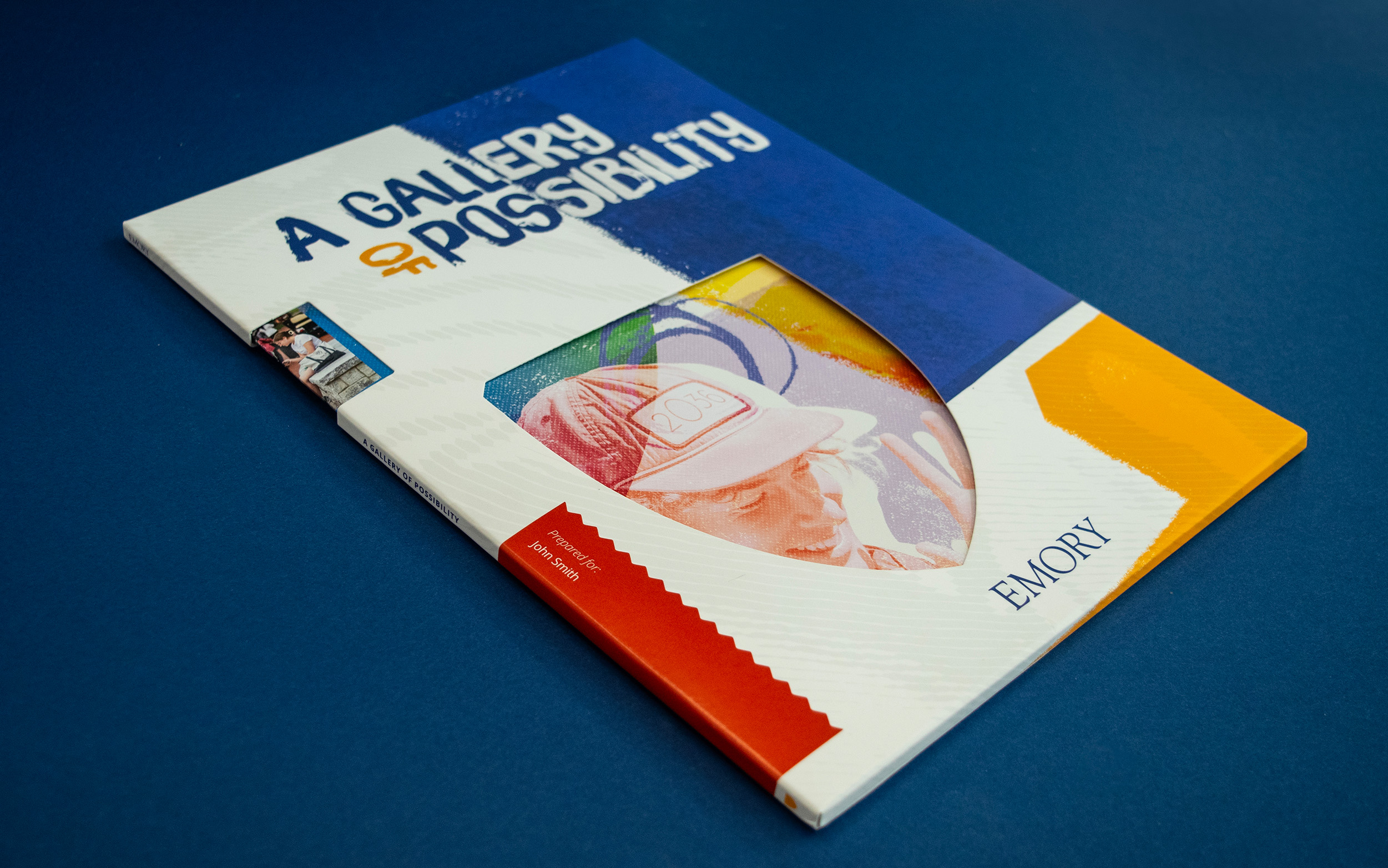
While the majority of the content is static, meaningful personalization ensured every donor could see their role: covers were tailored to each recipient’s area of giving. The dedication on the inside cover and closing letter of thanks included the donor’s name and giving focus. Donors at $1M+ received completely bespoke messages of thanks from individuals directly impacted by their philanthropy.
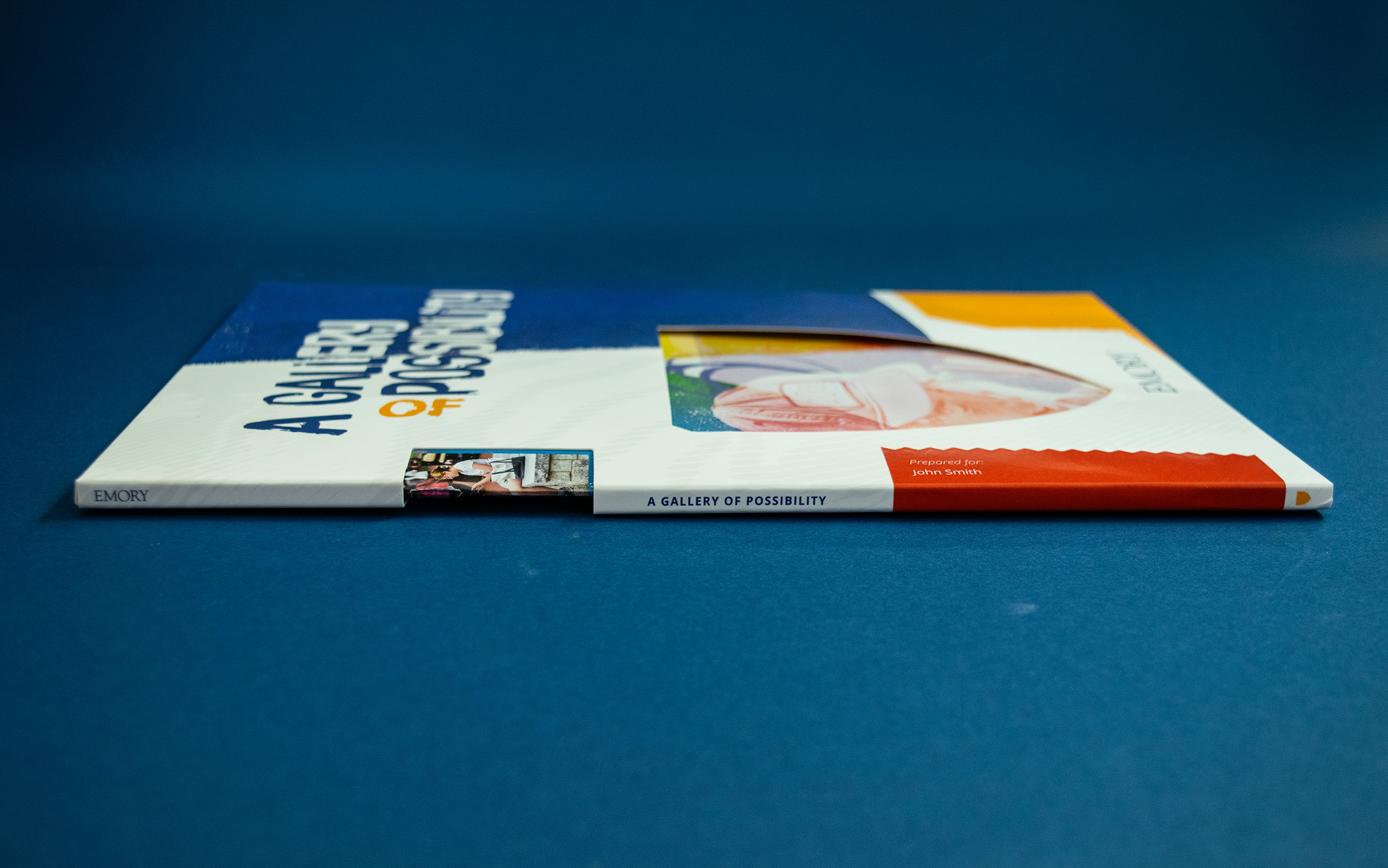
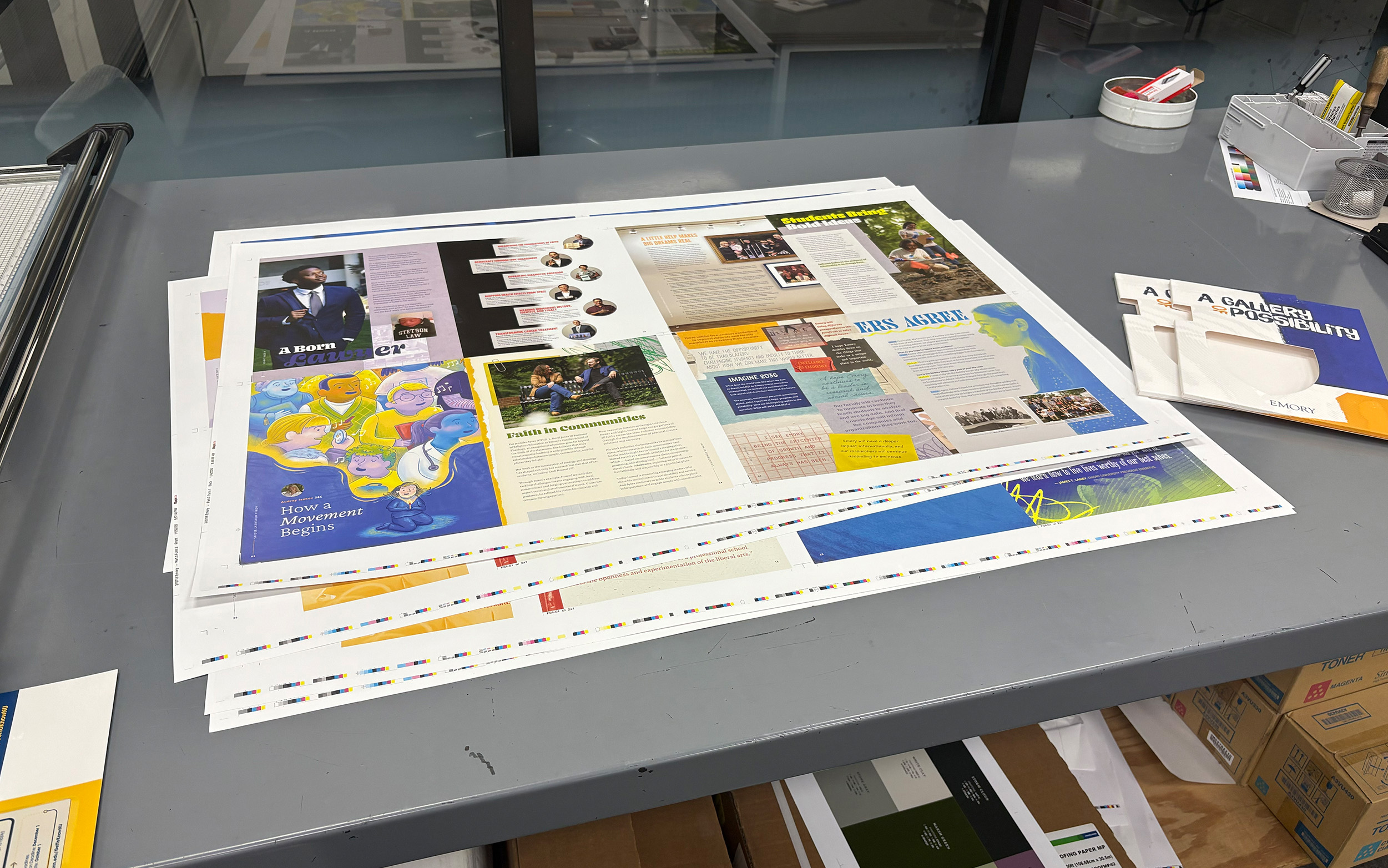
Design choices balanced a premium experience with fiscal responsibility. Saddle-stitching kept the book cost-efficient and enabled flexibility for personalized content. The slipcase added a polished, shelf-worthy spine and a “reveal” moment through strategically placed die-cut windows. A serrated name sticker wrapping the case added another layer of personalization without customizing the slipcase itself. Specialty structures and finishes — flaps, short folds, spot gloss, and die cuts — paired with bespoke writing, photography, illustration, and playful typography transformed the piece into a keepsake and practical tool for high-touch stewardship.
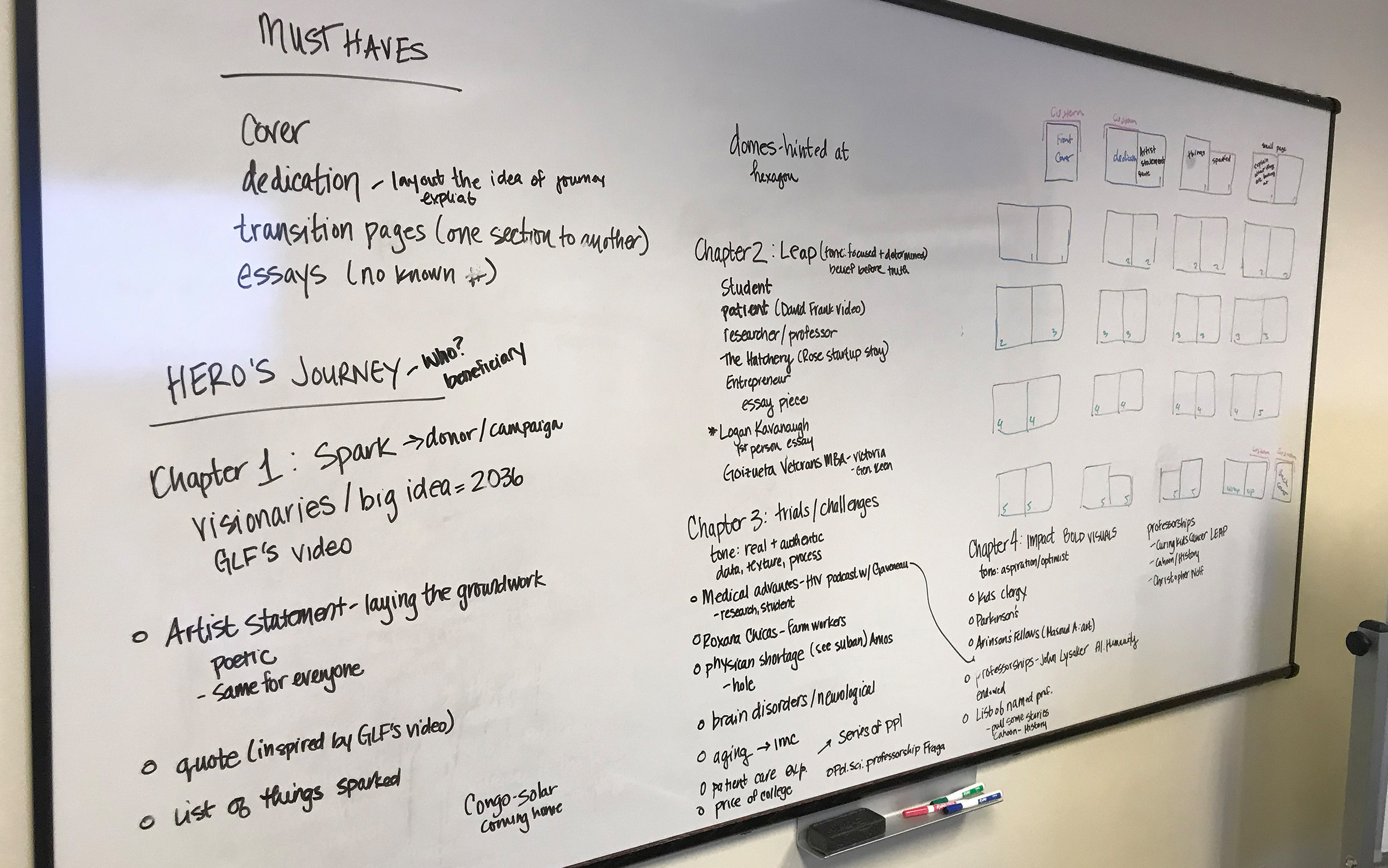
Seamless cross-disciplinary collaboration shaped content strategy and delivery from the start, aligning writers, designers, photographers, project management, and donor relations around a single narrative arc. We polled partners across the university to surface strong, fresh stories, then kept the messaging intentionally impact-forward — centering students, researchers, patients, and faculty rather than individual donors — so the book communicates collective momentum while still thanking each recipient personally.